Skip to main content

Essentials

Concise macro insight that cuts through daily noise, helping clients stay informed on what matters in markets, why it matters, and how to talk about it, without spending hours reading research.
Explore Essentials
Bank Credit Analyst In Section I, we acknowledge that investors may wish to be neutrally positioned toward risky assets even over a 6-12 month time horizon. Our confidence in an eventual recessionary outcome has not changed, but a recession may be delayed by a Fed-driven easing in financial conditions. We are not prepared to change our investment recommendations today, but strong evidence of sustained growth and continued disinflation could lead us to recommend increasing exposure to risky assets for the sake of portfolio risk management. In Section II, we ask whether growth stocks will outperform value stocks during the next US recession. We examine historical performance of style during recessions dating back to 1926, and conclude that growth stocks are likely to underperform value during the next US recession. That assessment will change if growth stocks sell off significantly in advance of a contraction in output, or we see signs of significant sector-specific effects impacting value indexes.
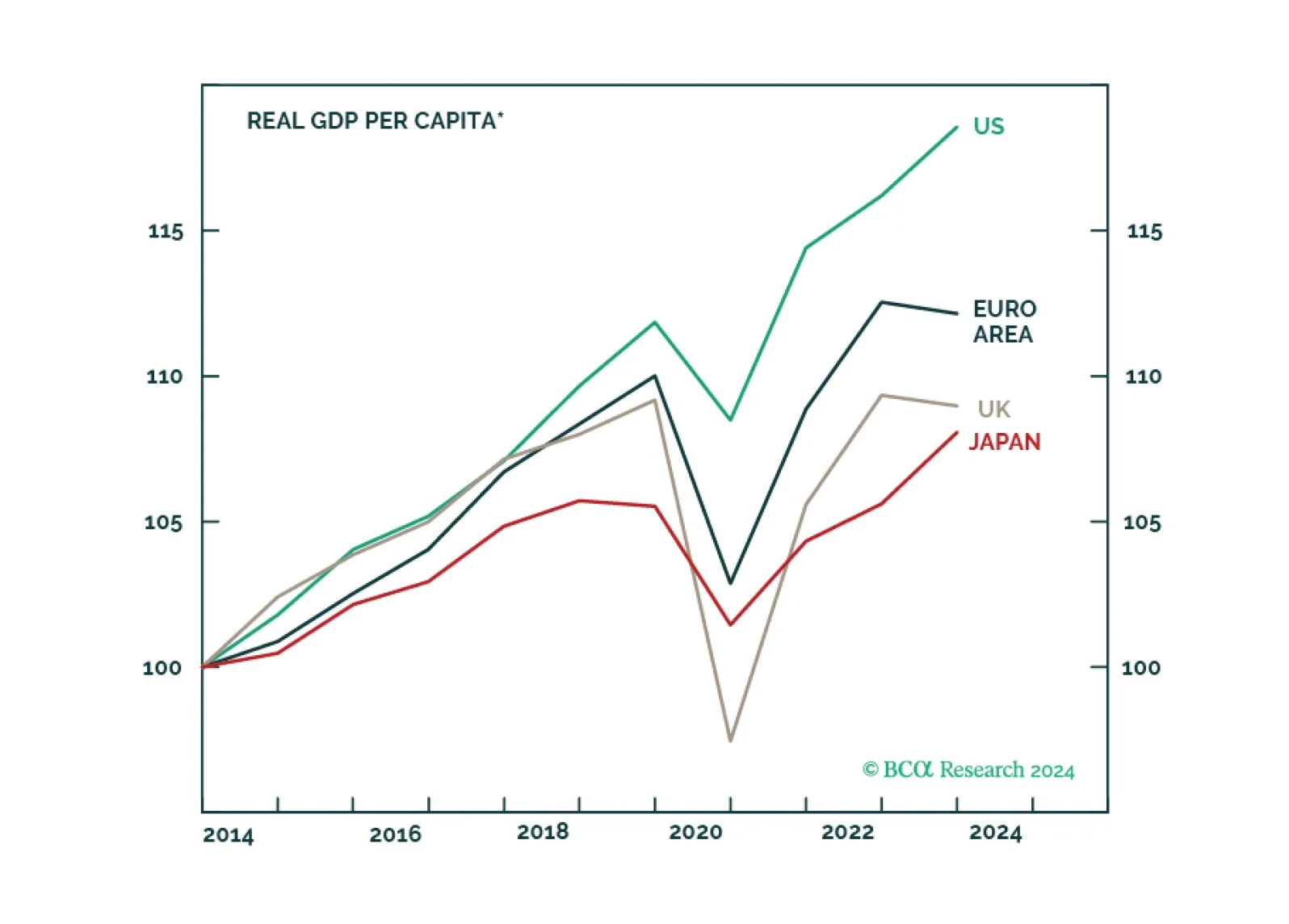
Bank Credit Analyst This Special Report by BCA Research former Chief Economist Martin Barnes ranks the major economies by their economic and financial performance to find out who comes out on top.
Bank Credit Analyst In this BCA Special Report, we ask what policies investors should expect if Donald Trump wins the 2024 Presidential election. The answer is that a second Trump term would be much less positive for risky assets than the first. While the US will remain democratic and geopolitically preeminent no matter the outcome of the 2024 election, a second term Trump administration would likely oversee large budget deficits, continued wealth inequality, labor shortages, high import prices, and an erosion of checks and balances, possibly including at the Federal Reserve. Trade policy under a second Trump presidency represents the greatest cyclical risk to investors, and the sequencing of policies in general will be important to monitor. An early legislative priority of immigration over tax cuts, alongside the rapid imposition of new tariffs, would be the worst alignment for risky assets.
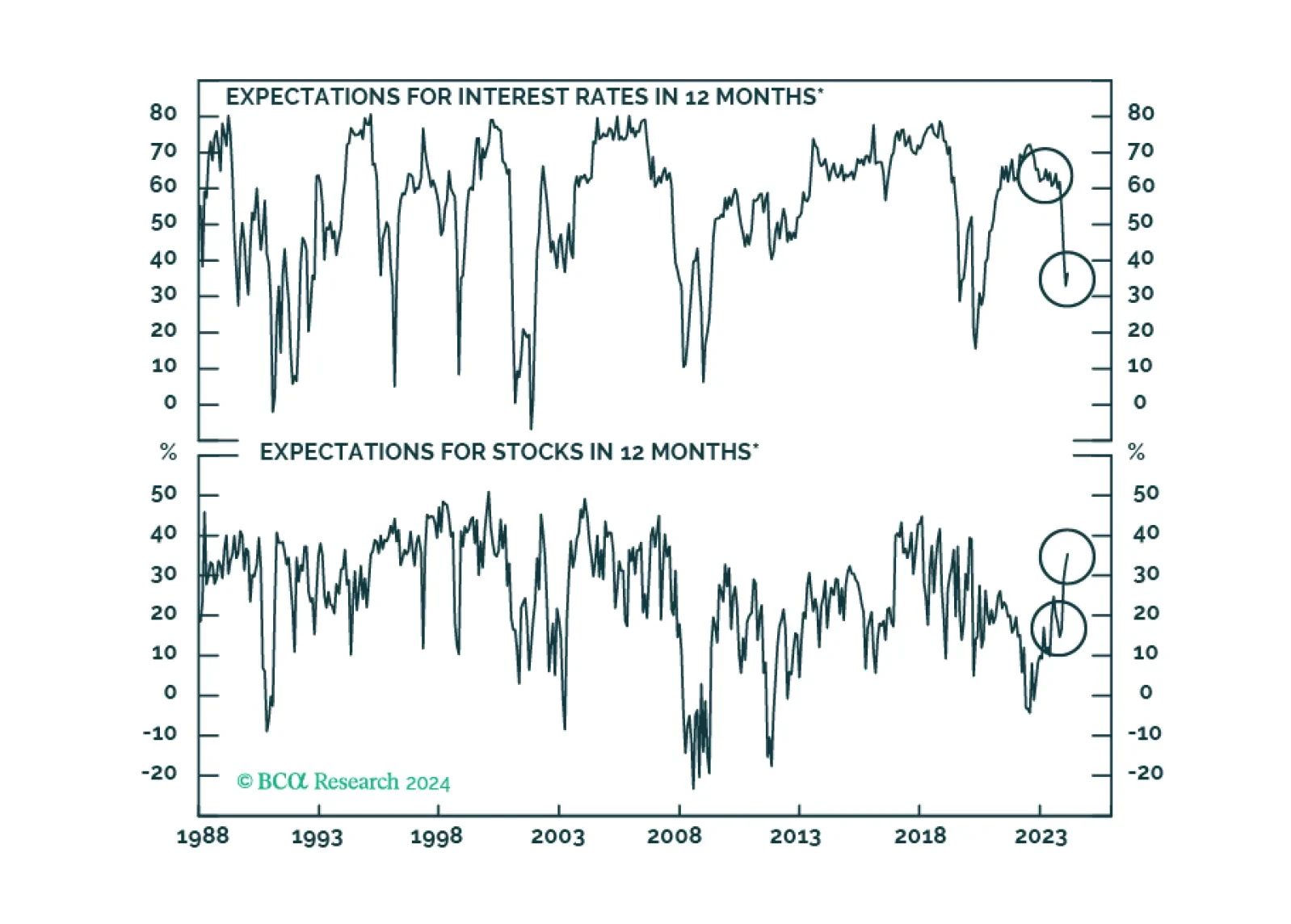
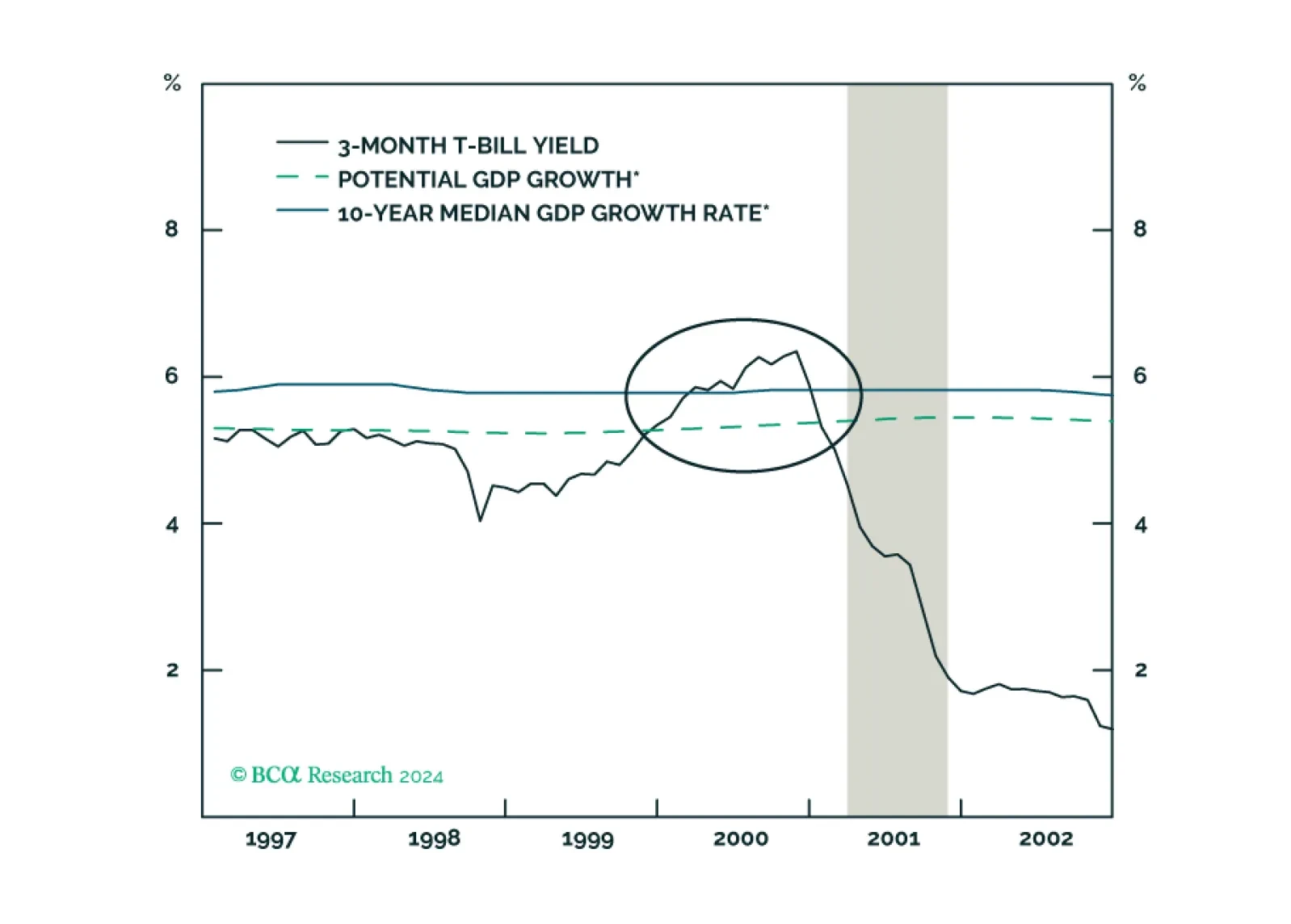
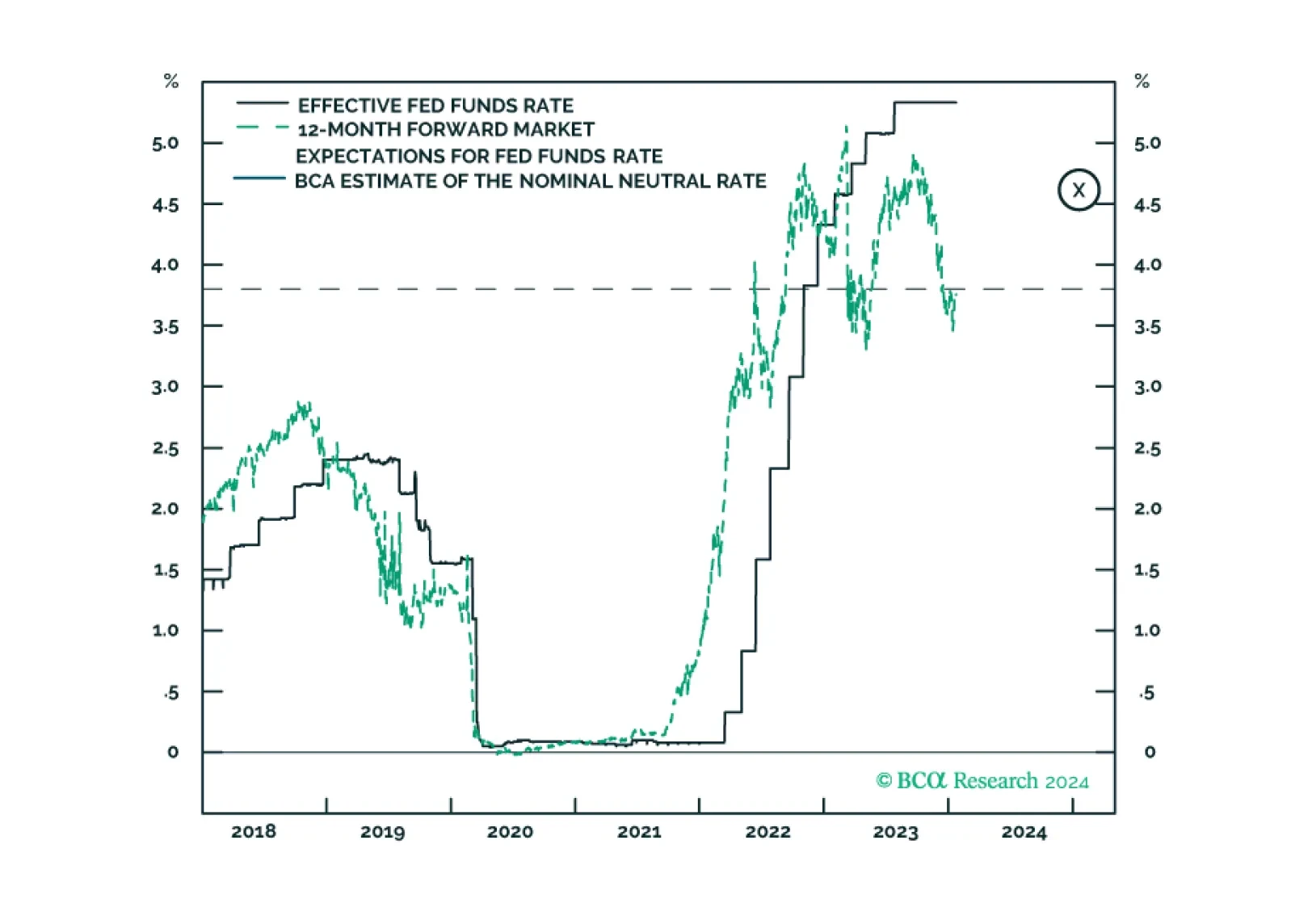
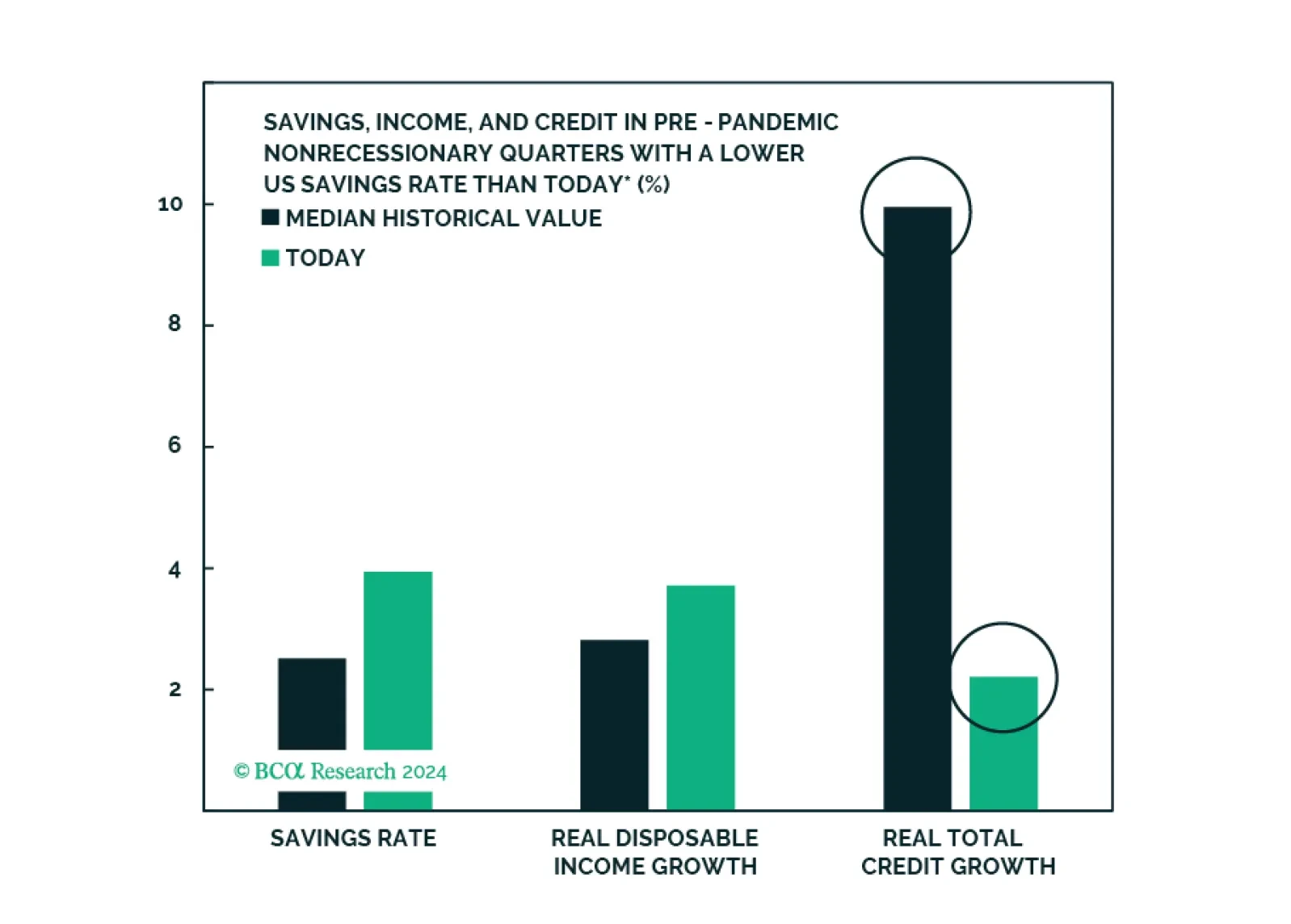
Bank Credit Analyst In Section I, we argue that the December FOMC meeting has caused the “soft landing” narrative to penetrate the psyche of “Main Street”, which is now impacting the real economy. But if a pickup in sentiment and growth works against the pace of disinflation on which expectations of rate cuts were predicated, then the economy has a “circular reference” problem. A true “no landing” scenario would likely prevent Fed rate cuts, which would cause a large hawkish shock. That would put pressure on equity multiples via both a higher risk-free rate and equity risk premium. In Section II, we ask what policies investors should expect if Donald Trump wins the 2024 Presidential election. The answer is that a second Trump term would be much less positive for risky assets than the first.
Bank Credit Analyst In this BCA Special Report, we ask what policies investors should expect if Donald Trump wins the 2024 Presidential election. The answer is that a second Trump term would be much less positive for risky assets than the first. While the US will remain democratic and geopolitically preeminent no matter the outcome of the 2024 election, a second term Trump administration would likely oversee large budget deficits, continued wealth inequality, labor shortages, high import prices, and an erosion of checks and balances, possibly including at the Federal Reserve. Trade policy under a second Trump presidency represents the greatest cyclical risk to investors, and the sequencing of policies in general will be important to monitor. An early legislative priority of immigration over tax cuts, alongside the rapid imposition of new tariffs, would be the worst alignment for risky assets.
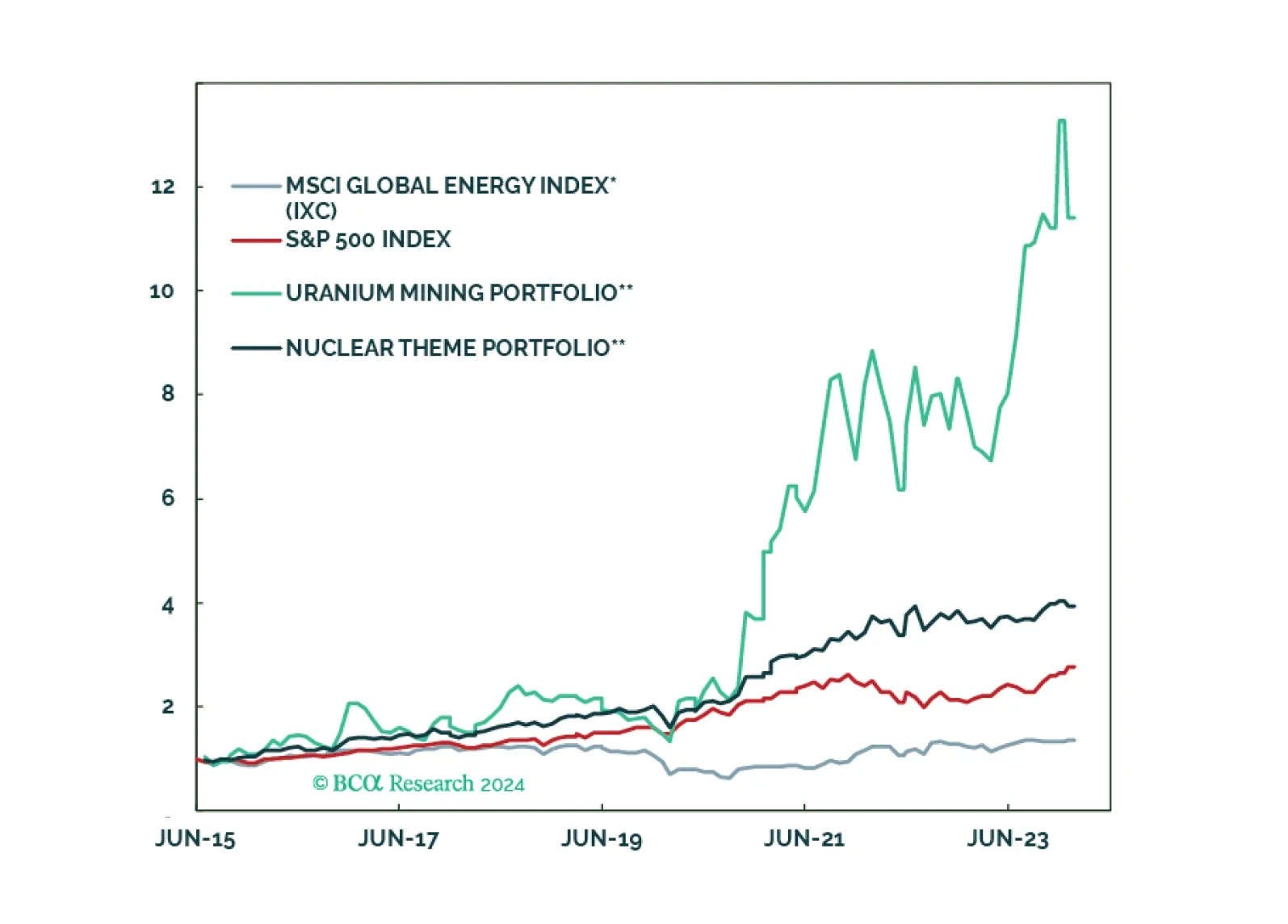
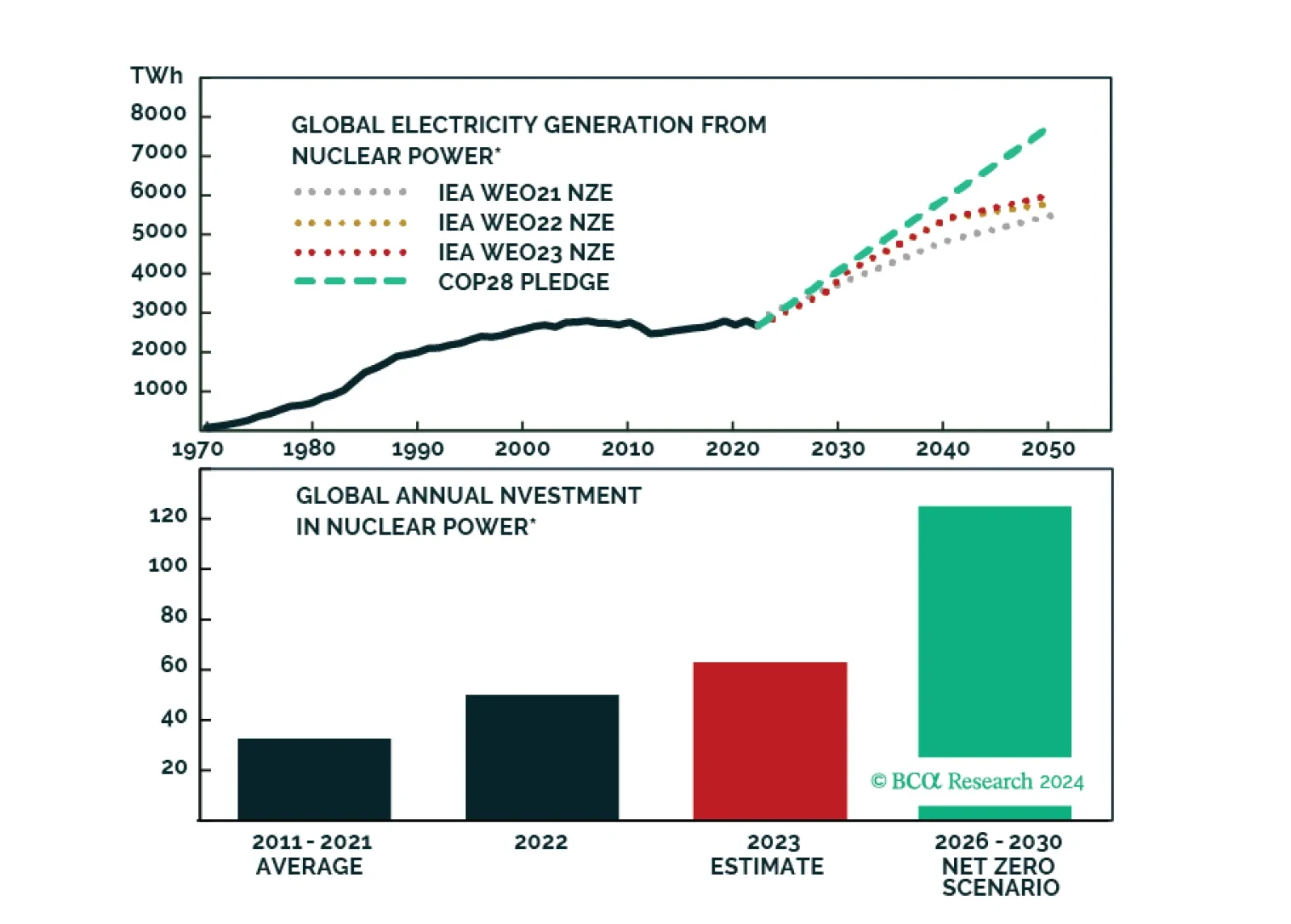
Bank Credit Analyst This report presents the main ways to invest in the Nuclear Renaissance; from exposure to physical uranium to equity plays alongside or outside the nuclear fuel cycle.
Bank Credit Analyst BCA Research presents a limited monthly special series about the Nuclear Renaissance.
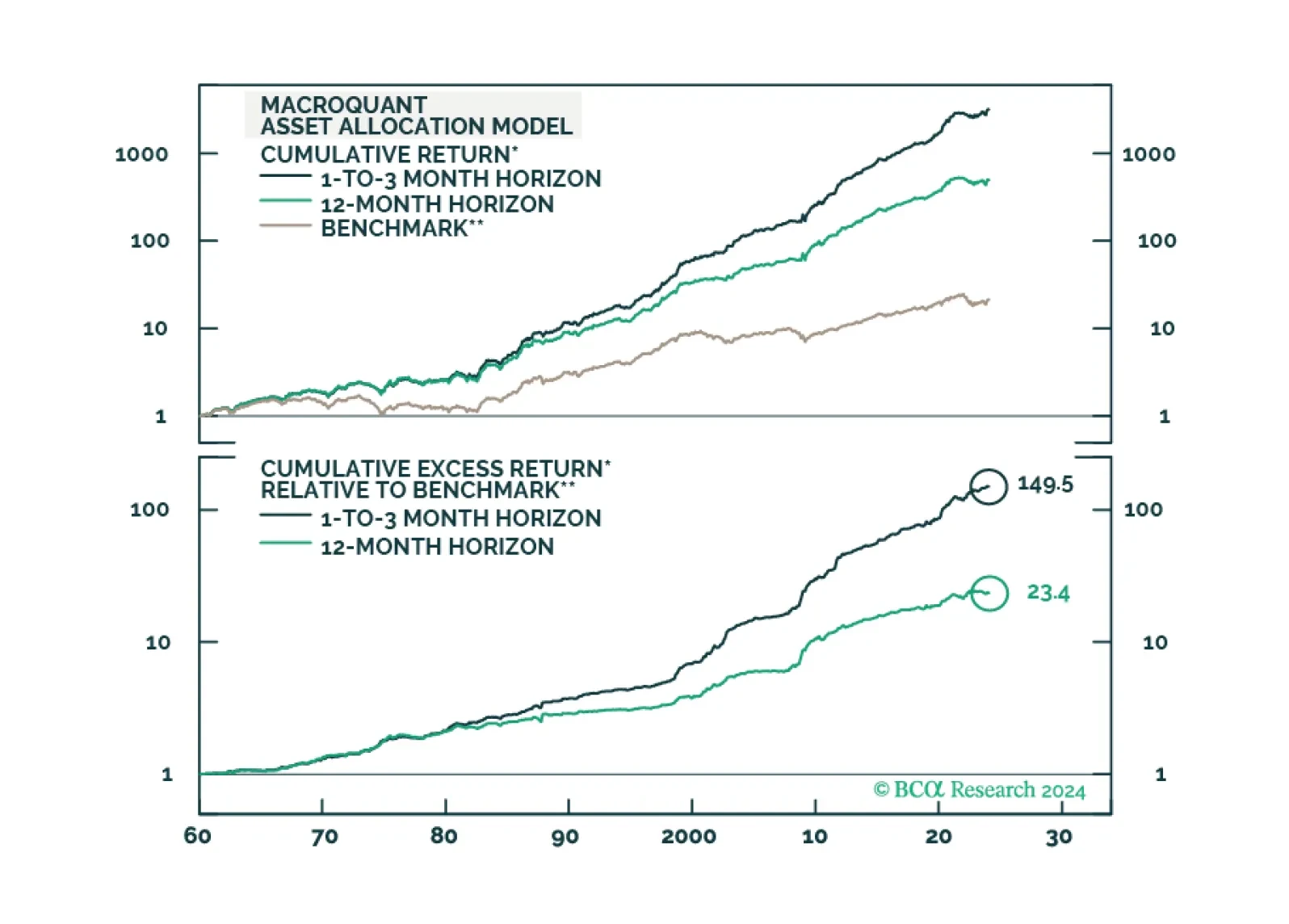
Bank Credit Analyst Today we are sending you the white paper introducing our next-generation MacroQuant 2.0 model. Two years in the making, this model distills everything I have learned about economics and financial markets over the past 30 years into simple buy and sell signals.
Bank Credit Analyst
Bank Credit Analyst In Section I, we discuss the important flaws in the market’s “Goldilocks” economic narrative. Forward-looking measures of labor demand are heralding an eventual rise in the unemployment rate, and it is unlikely that this will occur in a benign fashion. This underscores that the US economy remains on a recessionary trajectory so long as monetary policy remains tight. Over the very near term, the Fed's December policy shift will remain a bullish factor for risky asset prices. But over a 6-12 month time horizon, investors should still be underweight risky assets and long fixed-income duration. In Section II, we review the post-World War II recessions to understand their causes and to see what indicators have been the most successful at signaling the end of recessionary selloffs in equity markets. We present an early draft “economic recovery checklist” for investors to monitor as a guide to determining when to increase one’s allocation to equities and other risky assets in the middle of a recession.